Why Broken Key Extraction Demands Professional Tools — Not Improvisation
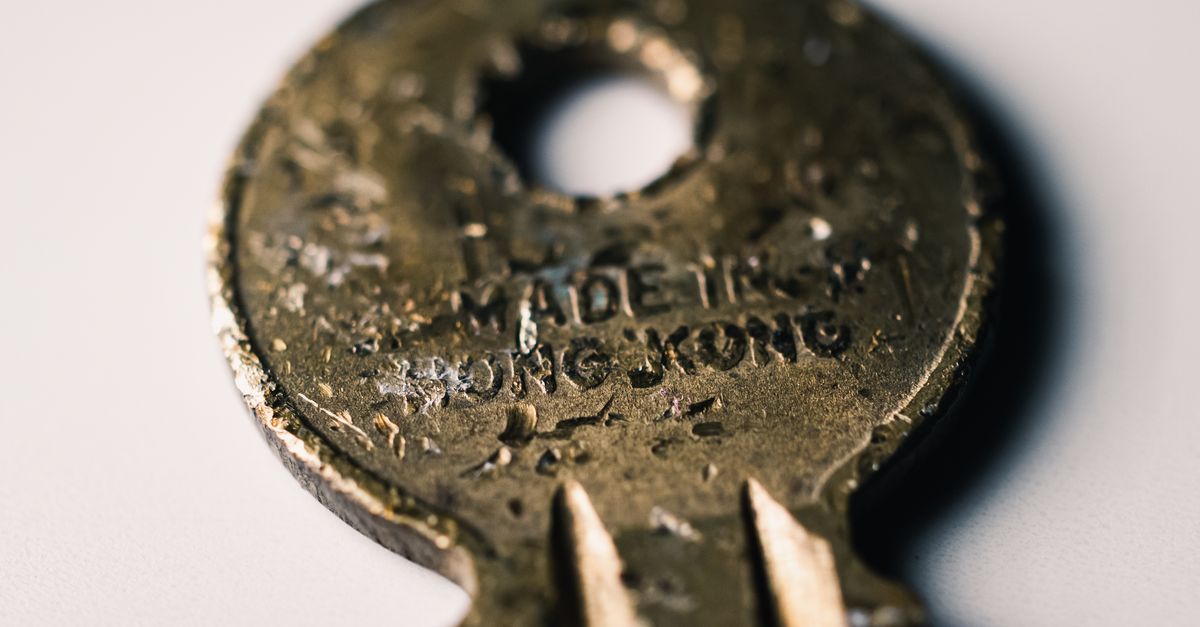
When a key snaps inside a lock cylinder, the broken fragment is held in place by the same spring-loaded pin tumblers that normally grip and release the key blade. Household objects — bobby pins, tweezers, thin wire — almost always push the fragment deeper, score the cylinder walls, or cause pins to drop in a way that jams the plug entirely. At that point what started as a simple extraction can become a full cylinder replacement. Our technicians use purpose-built extraction hooks and spiral picks sized to the specific keyway profile of your lock, allowing them to grip the broken piece and draw it out cleanly. On high-security cylinders and commercial mortise lock hardware, the keyway is narrow and precisely machined, which means the margin for error is even smaller — another reason professional intervention pays off.
Mortise lock systems, common in older Morristown commercial buildings and historic residential properties near the Morris County Courthouse, present a particular challenge because the lock body is set deep into the door edge. Extracting a key from a mortise lock requires the technician to work through a confined keyway without disturbing the cam or tailpiece mechanism inside the case. Our team is experienced with the full range of mortise lock configurations — single-cylinder, double-cylinder, and lever-operated — and carries the tools to handle each one without pulling the lock from the door unless absolutely necessary.