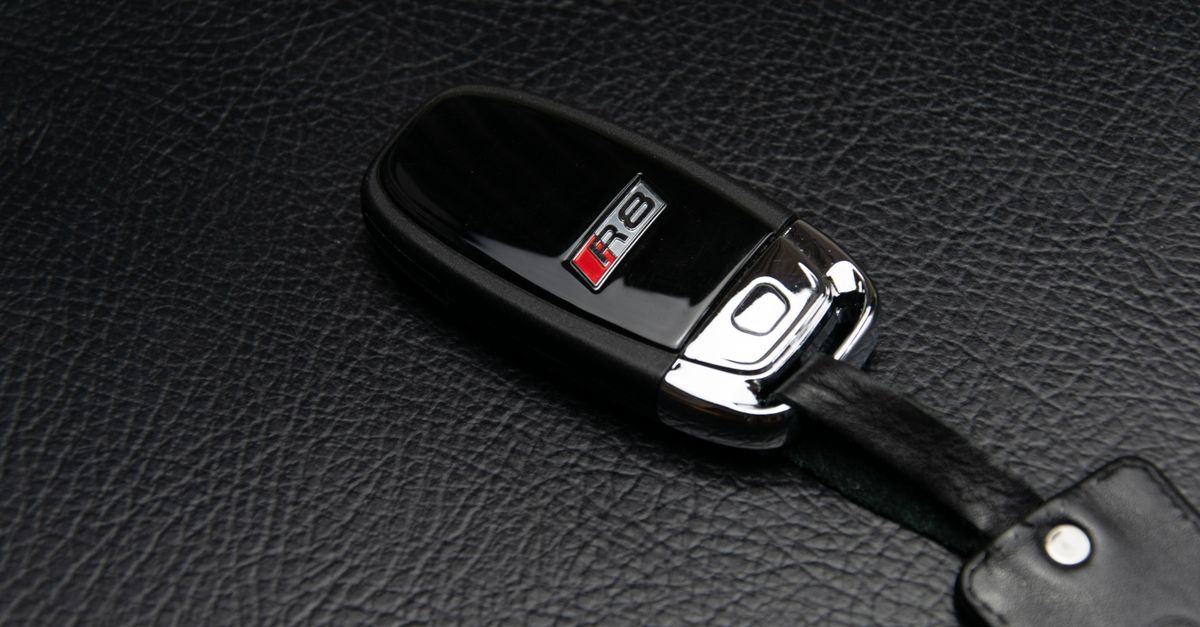
What Makes Audi Key Replacement More Involved Than a Standard Car Key
Audi has steadily advanced its vehicle security over the decades, and the key technology reflects that. Older Audi models used a basic transponder chip embedded in the key head — the chip had to be programmed to match the immobilizer unit in the vehicle before the car would start, even if the cut was perfect. Mid-generation models introduced rolling-code key fobs that handle both remote locking and immobilizer functions in a single unit, requiring dealership-level OBD diagnostic access to program. Current Audi models rely on a proximity-based smart key, sometimes called an Advanced Key, where the vehicle senses the fob's presence and allows push-button starting without ever removing the key from your pocket or bag. Each generation requires a different set of equipment and skill sets to replace correctly, which is why our technicians train specifically on Audi platforms rather than relying on one-size-fits-all programming tools.
There is also the matter of the all-keys-lost scenario — situations where every programmed key has been lost or stolen and the vehicle's immobilizer has no active reference key to use during re-pairing. This is one of the more complex replacements in the automotive locksmith world, but it is a routine call for our team. We access the vehicle's ECU data through the OBD-II port, generate the necessary cryptographic token required by Audi's immobilizer, cut a new key blade on our mobile unit, and program the new key to the car on location. The process is methodical and damage-free — we never use destructive bypass methods.