On-Site Key Fob Programming & Reprogramming — What the Process Actually Involves
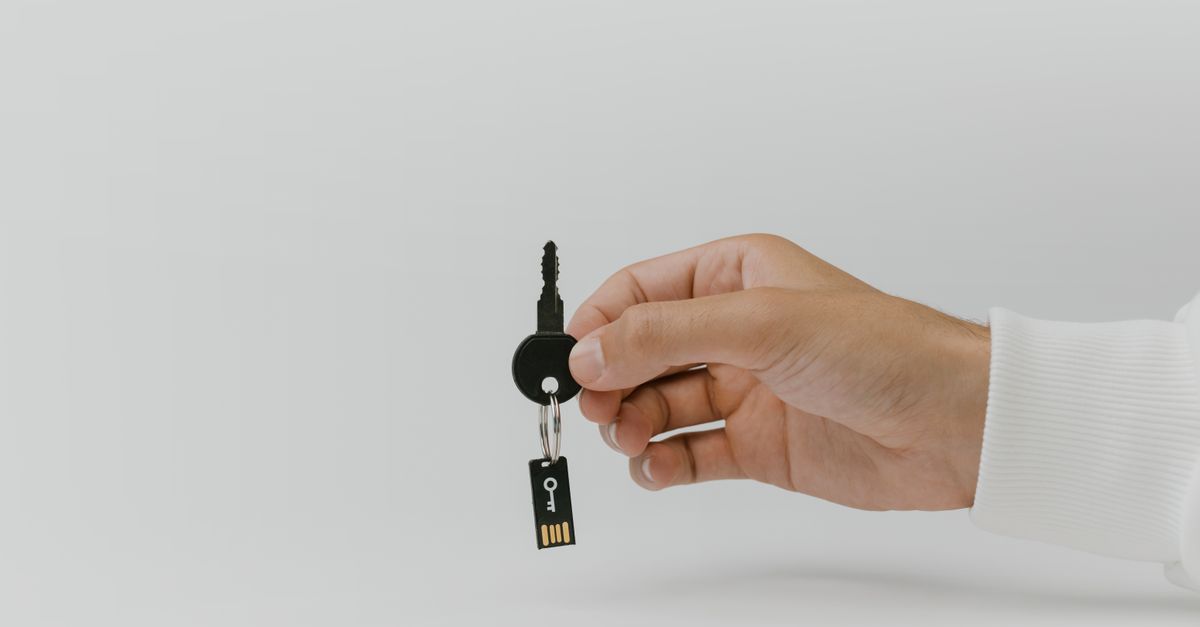
Key fob programming is not a single universal procedure. Each vehicle manufacturer encodes its own handshake protocol between the fob and the body control module, which means the sequence for a Honda differs entirely from the sequence for a Ford F-150, a BMW with Comfort Access, or a Chevrolet with Remote Start. When one of our technicians pulls up to your location, the first step is always a vehicle identification check — year, make, model, and trim — because that data determines which programming interface and which software profile will be used. We then connect to the OBD-II port, read the existing key data, and either add a new fob to the vehicle's memory or overwrite a lost fob's slot entirely.
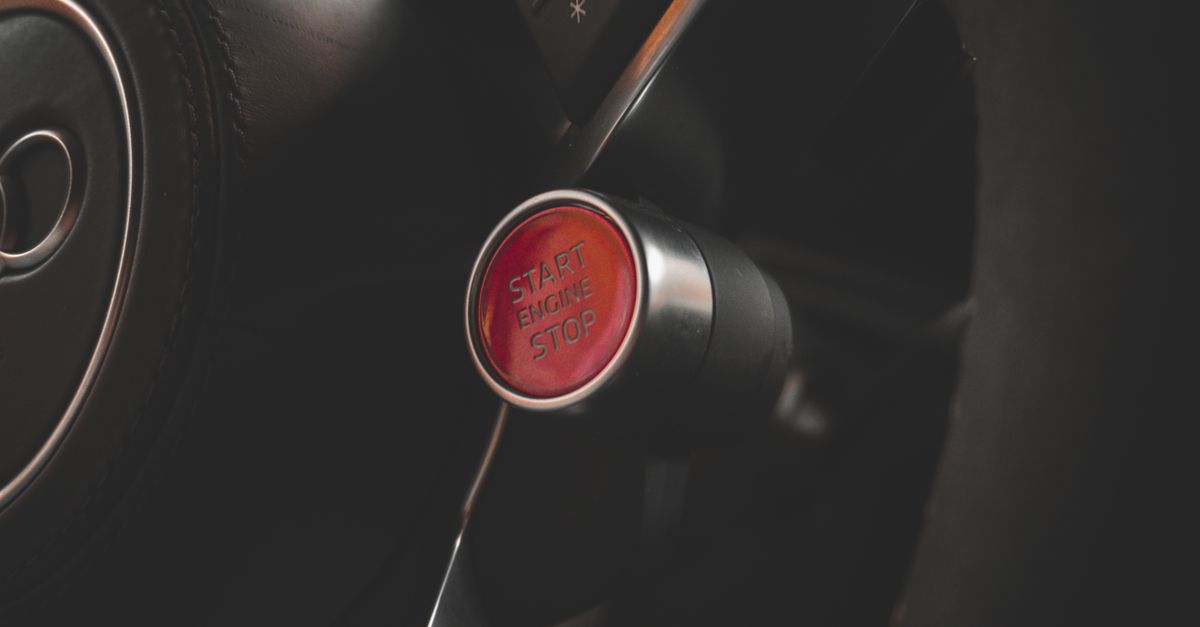
Reprogramming is necessary in several situations beyond a simple lost-fob scenario: a fob that was accidentally reset, a secondhand vehicle whose previous owner's remotes were never deleted from the system, a battery replacement that wiped a proximity key's pairing, or a push-start fob that stopped communicating after a software glitch. Because we work on-site, there is no transport risk to your vehicle and no waiting room. Our damage-free approach means we access only the diagnostic port — no panels are removed, no wiring is disturbed. Once programming is complete, we test every function — lock, unlock, trunk release, panic alarm, and remote start if equipped — before we close out the job.